Trump–China tariffs 2025 spark global volatility. Discover how they may reshape cybersecurity, investing, and stock markets – with long-term future impact.
The world watched closely this week as Donald Trump threatened a “massive increase” in tariffs on Chinese imports, while also canceling a scheduled meeting with President Xi. Stock markets reacted instantly – with technology and energy shares dipping and volatility indices climbing.
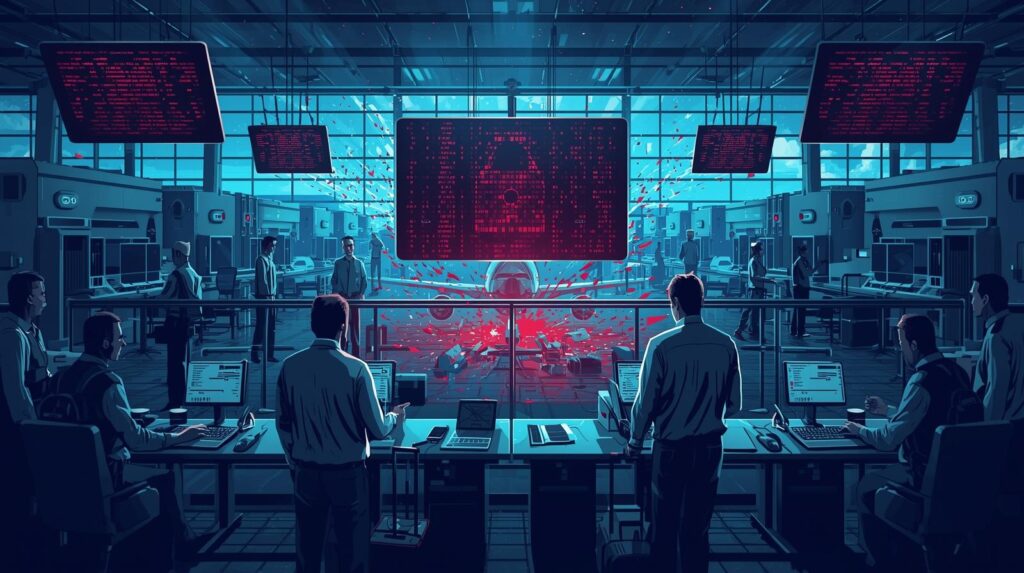
Yet beyond the headlines, this moment signals a deeper transformation. At stake are semiconductors, rare earths, and AI chips – the foundation of cybersecurity and digital finance. This is not just another trade dispute. It may be the start of a long-term cyber-financial cold war that will shape the future of global security and investing.
(Disclaimer: This article is for informational and educational purposes only. It does not provide financial, legal, or investment advice and complies with international ethical and compliance standards.)
Cybersecurity: How Future Supply Chains May Shift
The escalation of tariffs has direct implications for cybersecurity infrastructure. Semiconductors and rare earths power firewalls, encryption devices, and AI-driven defense platforms. If tariffs persist:
Costs may rise for essential hardware, making enterprise cybersecurity more expensive.
Innovation cycles could slow, particularly in AI-enabled security and post-quantum encryption.
Supply chains may fragment, forcing reliance on regional sourcing that could open new blind spots.
In the future, cybersecurity resilience will depend as much on hardware access and supply diversification as on software protections. Nations and enterprises may prioritize trusted domestic chip production to avoid external disruptions.
Finance: Inflation, Compliance, and Long-Term Flows
Tariffs are inherently inflationary. When import costs climb, ripple effects spread across sectors. Over time, this could reshape financial planning:
Inflationary pressures → Higher costs for technology and energy feed into consumer and enterprise prices.
Capital flows → Investors may rebalance toward low-risk or inflation-resistant assets.
Compliance frameworks → As global trade becomes fragmented, governance standards (ISO 27001, NIST, SOC 2) gain weight in sustaining cross-border trust.
The IMF has warned that tariffs complicate global inflation management (IMF). Looking ahead, financial leaders may need to treat tariff-driven shocks as a long-term structural challenge, not a short-term market tremor.
Stock Markets: Volatility as the Future Normal
Investors know markets dislike uncertainty. But tariffs introduce a deeper shift — a future where volatility itself becomes structural:
Technology sector fragility → Semiconductor and chip manufacturers face ongoing tariff risks.
Energy market turbulence → Oil and gas remain tied to geopolitical shifts.
Investor psychology → More frequent rotation into defensive assets like healthcare, utilities, and gold.
This is not only about this week’s price swings. The longer-term investing environment may be defined by geopolitical risk as a permanent market factor, especially for global tech investors.
The New Cyber-Financial Cold War
What makes this moment historic is not the tariff percentage, but the strategic direction it represents.
The U.S. seeks to secure dominance in advanced technologies.
China leverages its rare earth supply advantage.
Both nations are re-drawing financial and technological ecosystems, pulling markets into competing spheres.
Instead of missiles, the weapons are tariffs, chips, and capital flows. This is why analysts increasingly describe it as a cyber-financial cold war — one that will determine the pace of innovation, security, and market stability in the coming decade.
Long-Term Takeaways
For Cybersecurity Leaders → Diversify hardware sourcing and build resilience into future supply chains.
For Finance Professionals → Expect long-term inflation shocks and greater compliance scrutiny.
For Investors → Prepare for volatility, hedge risks, and seek balance through resilient sectors and future-driven plays like AI and renewable energy.
Trump–China Tariffs : Key Takeaways
Trump’s tariff escalation may define the future of cybersecurity, finance, and investing, not just today’s headlines.
Cybersecurity faces rising costs and hardware dependence risks.
Finance must adapt to inflationary cycles and compliance challenges.
Stock markets may evolve into a permanently volatile environment shaped by geopolitics.
This is less about 2025 and more about the architecture of the next decade.
Explore More
- AI-Powered Threat Intelligence: The Ultimate Double-Edged Sword in Cybersecurity
- 5 Ways Zero Trust Stops Hackers Cold
- Cybersecurity’s Fastest War: The Ultimate Battle When AI Fights AI Beyond 2025
- The Ransomware Epidemic: Why SMEs Are The New Primary Target
- What Is Vibe Hacking and How Is AI Using It? 5 Shocking Facts About the Threat to Our Trust
- Tech Stocks 2030: Powerful Insights Into the Companies Shaping the Next Decade
Disclaimer:
This article is provided for informational and educational purposes only. It does not promote or encourage unlawful activities. Readers are encouraged to stay informed, practice safe digital habits, and rely on ethical, legal resources for decision-making. Technical causes described are possible scenarios based on cybersecurity best practices and may not represent confirmed findings of any ongoing investigation.