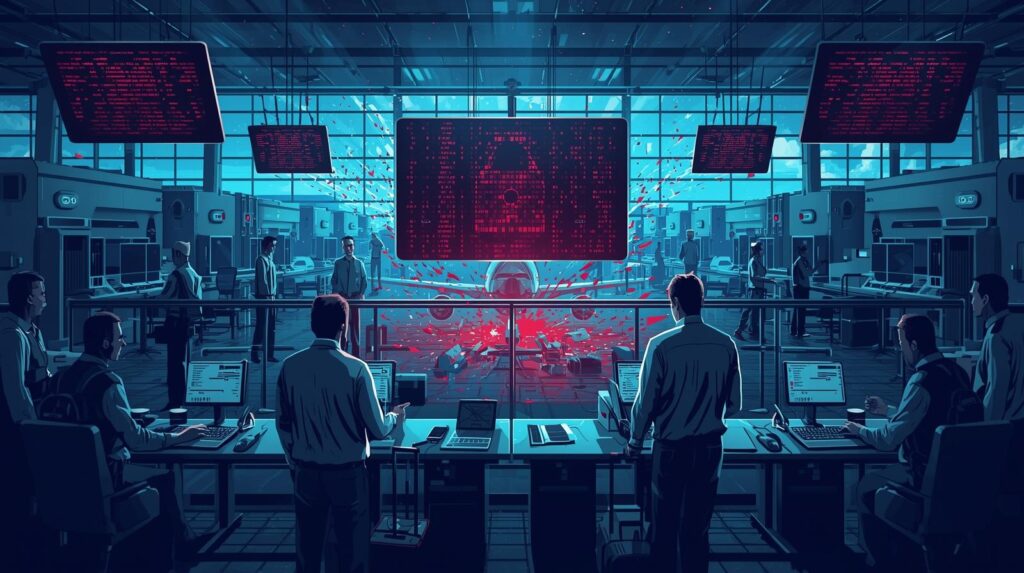
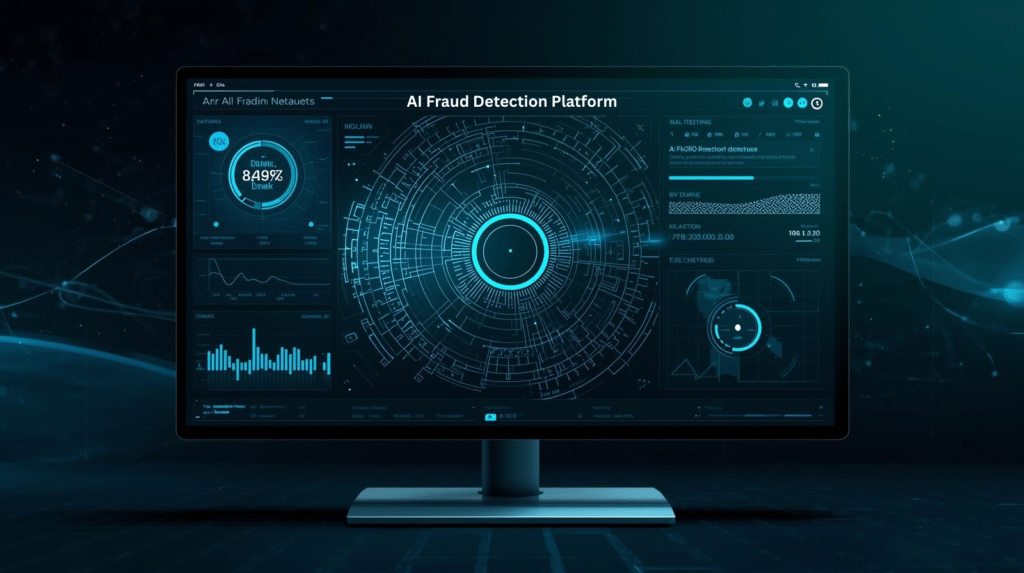
RBI introduces DPIP, an AI-powered fraud detection platform designed to secure digital payments in real time.
India’s digital economy is booming, and with it comes rising cyber fraud. To counter this, the Reserve Bank of India (RBI) is launching the Digital Payments Intelligence Platform (DPIP) — an AI-driven tool that scans transactions in real time to detect and block fraud.
This AI Fraud Detection Platform is more than just a new system; it’s a milestone where AI, cybersecurity, and banking converge to secure the future of money.
What Is DPIP?
The Digital Payments Intelligence Platform (DPIP) is designed to:
- Analyze payment patterns across UPI, card transactions, and mobile banking.
- Spot unusual activity instantly, such as cloned accounts or abnormal transfers.
- Block fraud in real time before money leaves a customer’s account.
Unlike older systems that react after a fraud occurs, DPIP works proactively to prevent it.
📖 Reference: RBI’s DPIP rollout plan – Economic Times
Why Does AI Fraud Detection Platform Matter?
Digital payments in India crossed ₹18,000 crore transactions in FY2024, but fraudsters have also become smarter — using phishing, SIM swaps, fake apps, and OTP-bypass attacks.
DPIP matters because it:
- Builds trust – more people will feel safe using UPI and online banking.
- Protects scale – India’s huge payments network needs industrial-strength defense.
- Sets a model – RBI’s system could inspire similar frameworks worldwide.
Rare Precautions Most People Forget
Even as RBI strengthens payment systems, individuals must take extra steps. Advice like “don’t share your OTP” is not enough anymore. Here are overlooked but vital precautions:
- Protect Your SIM Card – Ask your provider to alert you if your SIM is replaced.
- Check Phone Settings – Watch for hidden SMS forwarding rules.
- Review Linked Devices – Remove old or unknown devices from your UPI/bank app.
- Enable Dual Alerts – Get both SMS and email notifications.
- Never Approve by Call – Banks never ask you to press keys to cancel/approve payments.
These habits block clever scams that even AI may take time to catch.
What RBI Rules Say – With Caution
RBI’s 2017 framework on “Limiting Liability of Customers in Unauthorized Electronic Banking Transactions” outlines:
- Zero liability if customers report fraud within 3 working days and weren’t negligent.
- Provisional credit must be given within 10 working days of complaint.
- Delays in reporting (beyond 7 days) may increase liability, per bank policy.
⚠️ Note: These rules apply to unauthorized electronic transactions. New fraud methods like OTP-bypass may still be under review.
Official circular → RBI Guidelines on Limiting Liability
AI in financial systems, where artificial intelligence is no longer just powering apps but protecting our money; cybersecurity for digital payments, since every new way of paying brings fresh risks and requires stronger shields; and public trust in banking, because if people don’t feel safe, they won’t fully embrace digital money. The bigger question — “How safe is digital money?” — will never disappear. Governments, banks, and individuals will keep asking it as technology evolves. DPIP may not be the final answer, but it marks a major step forward in building confidence in India’s digital economy.
Key Takeaways
- RBI is rolling out DPIP, an AI-based fraud detection platform.
- It will secure real-time payments across UPI, cards, and banking apps.
- Users still need to adopt rare but simple precautions.
- RBI rules protect customers — but quick reporting is crucial.
- The story is evergreen because it reflects the future of AI, banking, and cybersecurity.
Explore More
- AI-Powered Threat Intelligence: The Ultimate Double-Edged Sword in Cybersecurity
- 5 Ways Zero Trust Stops Hackers Cold
- Cybersecurity’s Fastest War: The Ultimate Battle When AI Fights AI Beyond 2025
- The Ransomware Epidemic: Why SMEs Are The New Primary Target
- What Is Vibe Hacking and How Is AI Using It? 5 Shocking Facts About the Threat to Our Trust
- New Fraud Pattern Beyond 2025: No OTP, No Internet, Still Lost Money – Lessons from Shirdi incident
Disclaimer
This article is provided for informational and educational purposes only. It does not promote or encourage unlawful activity. The content is based on publicly available information and established cybersecurity practices, and every effort has been made to ensure accuracy.
Technical causes described are possible scenarios based on cybersecurity best practices and may not represent confirmed findings of any ongoing investigation. For any legal, financial, or technical decisions, readers are advised to consult their own qualified legal, financial, or professional advisors.